

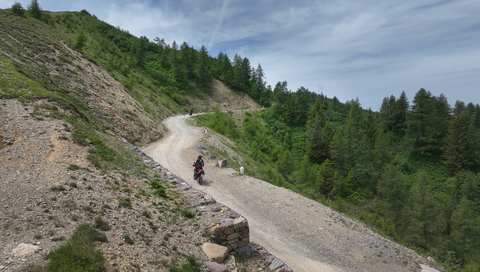





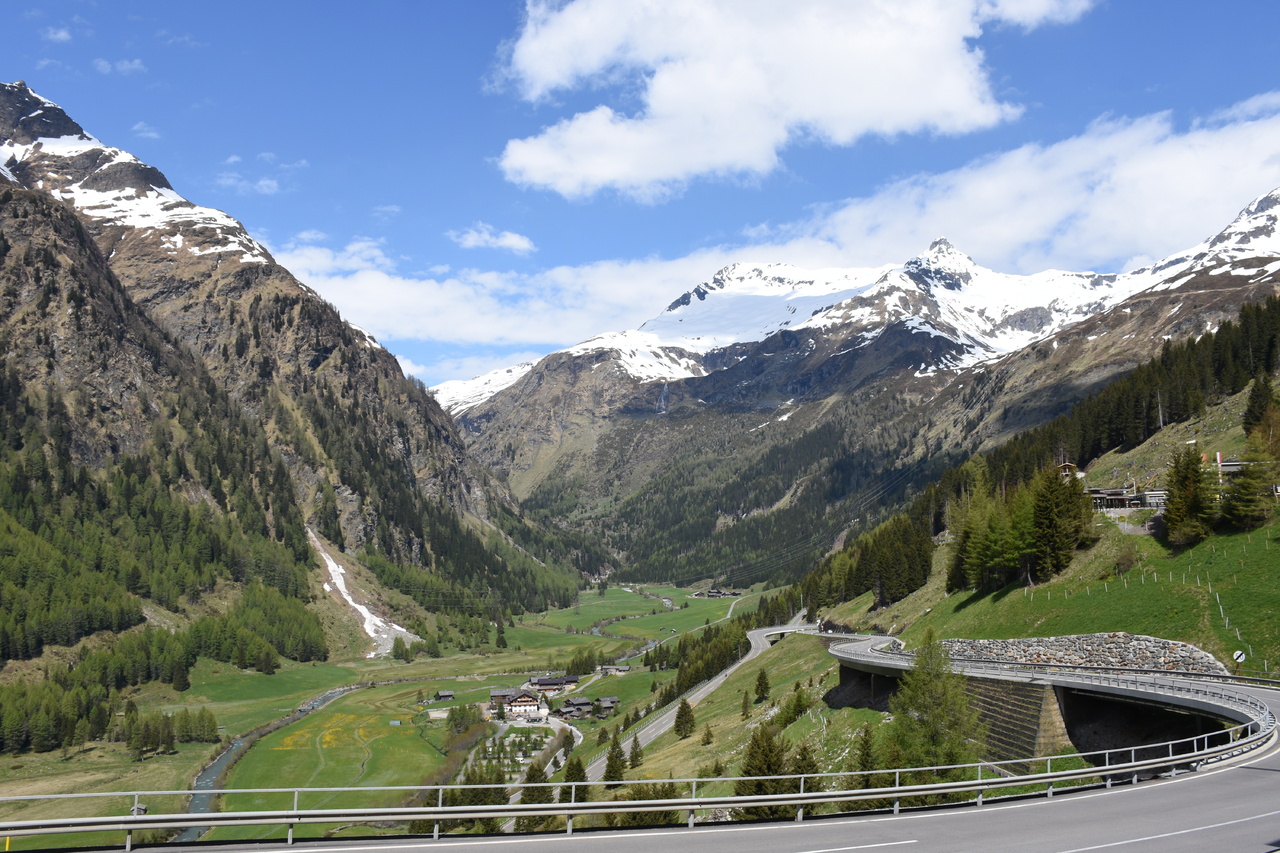
Felbertauner Tunnel – a well-developed Alpine pass as an alternative transit route to Italy.
The Felbertauern Pass – an attractive Alpine route heading south
The Felbertauern Pass, or rather the transit route through the Felbertauern Tunnel, has become a popular alternative for the southern connection in recent years – especially for those travelling from North Tyrol or Bavaria to East Tyrol, Carinthia or further on to Friuli in Italy. The route is not only convenient in terms of traffic, but also extremely scenic and far less congested than the more popular routes via the Brenner Pass or the Tauern Tunnel.
A route offering panoramic views and efficiency
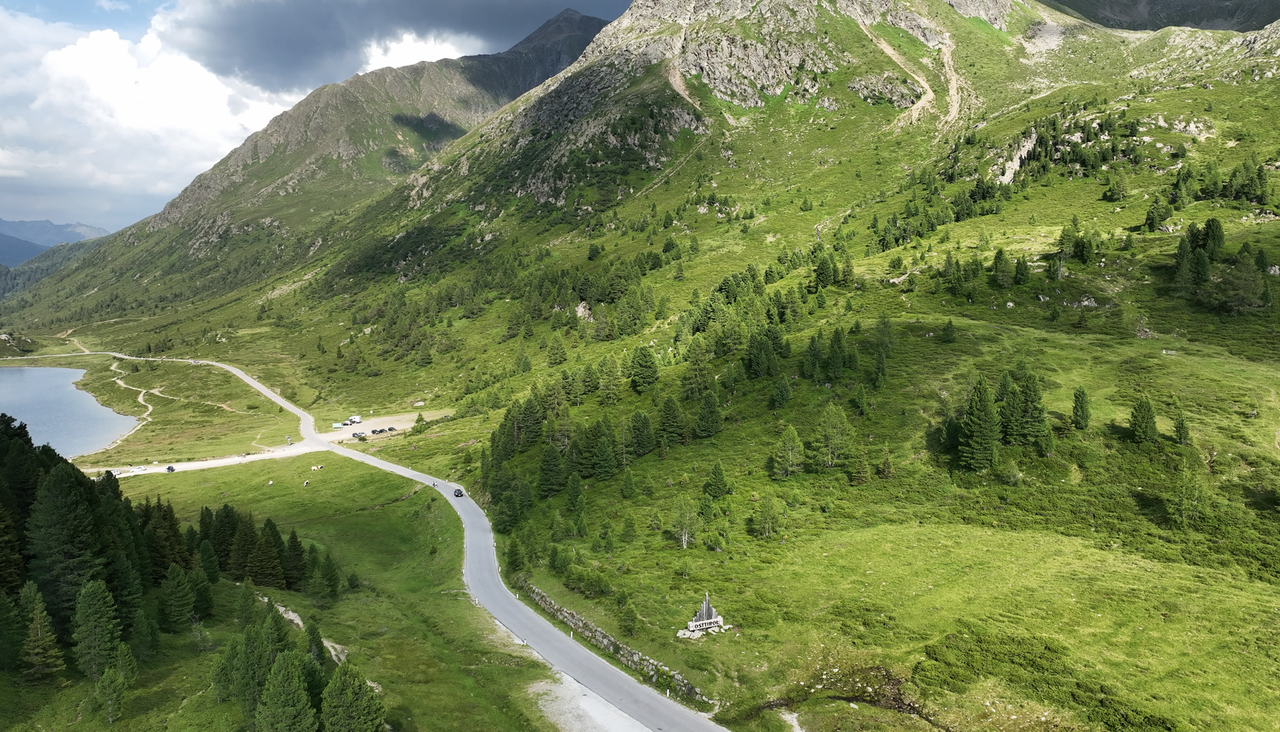
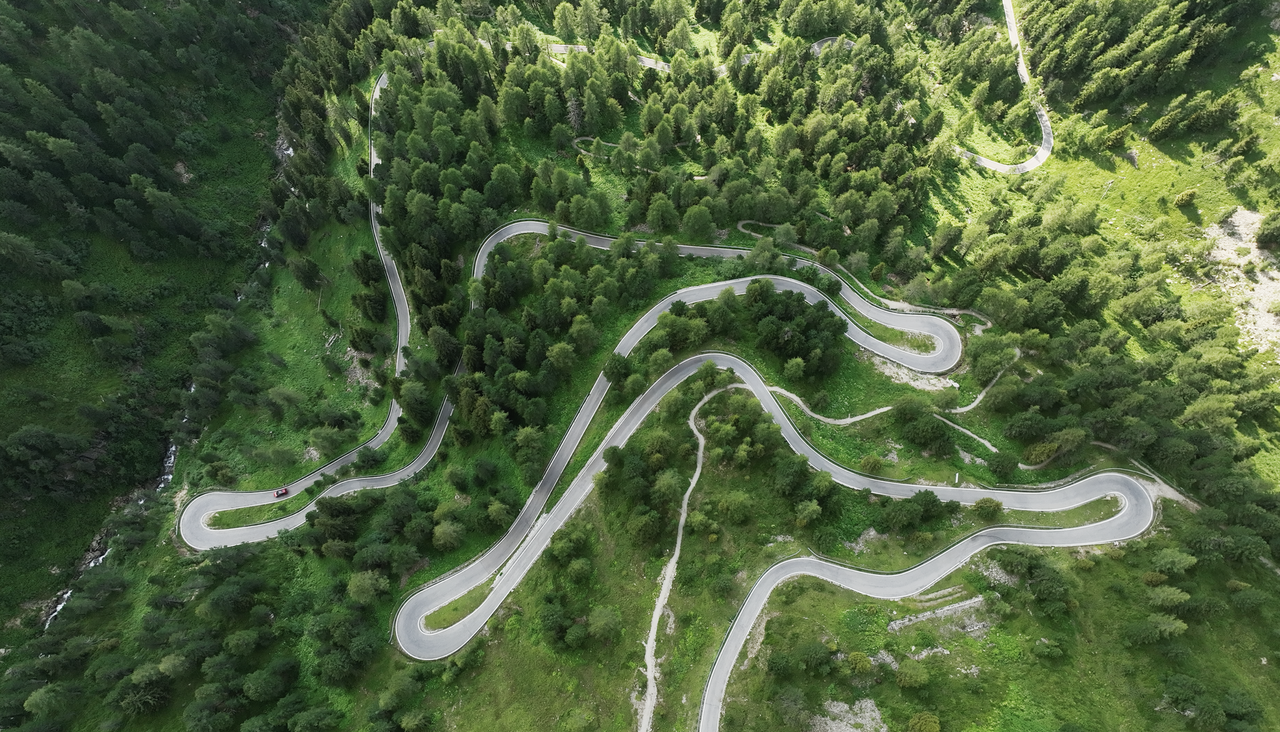
The Felbertauern Pass stretches over a total distance of around 38 kilometres and leads through partly dual carriageway roads with pleasant curves and magnificent views. Especially in good weather, travellers can enjoy a spectacular panoramic road that not only conveys a feeling of freedom and space, but also offers many opportunities for short stops and photo breaks.
The centrepiece of the route is the Felbertauern Tunnel, which begins on the north side near Mittersill in Salzburg at an altitude of approximately 1,632 metres above sea level. The tunnel itself is 5,832 metres long and runs at a slight gradient to the south side, where it emerges back into daylight at an altitude of approximately 1,606 metres near Matrei in East Tyrol. The tunnel is modern, equipped with safety monitoring and allows reliable passage – even in winter road conditions.
Vignette & toll – how much does it cost to drive through?
No Austrian motorway vignette is required to use this route, as access is via the expressway – from Germany via the Rosenheim-Innsbruck motorway (A93), exit Kufstein Süd (no tolls apply up to this point). However, there is a toll for the Felbertauern Tunnel. This is comparable to the toll for the Tauern Tunnel, which is located further east and is more heavily used. All in all, this is a more pleasant, less stressful alternative – especially during the peak travel times in summer and winter.
Attractive onward journey to Italy
After Matrei, travellers have a choice of several attractive routes heading south:
Via Lienz, you can take the direct route to the federal highway towards Villach, which later joins the Karawanken Tunnel. Alternatively, the Wurzen Pass or the scenic Loibl Pass are also options for crossing the border into Slovenia.
Those wishing to continue to Friuli or on to Udine, Trieste or Venice can turn off just before Lienz towards the Plöcken Pass – a scenic Alpine pass that brings Italy closer in a quiet and charming way.
For the particularly adventurous, a short detour to the pass road over the Staller Sattel is well worth it. This high alpine pass connects East Tyrol with South Tyrol (Italy) and offers not only fascinating views but also a real pass road feeling. Please note: The Staller Sattel is only passable in summer and is usually single lane with traffic lights.
Conclusion: A worthwhile alternative transit route
The route via the Felbertauern is not only an efficient transit route, but also a real insider tip for anyone who wants to start their holiday as soon as they set off. With a successful mix of modern infrastructure, manageable traffic volumes and impressive natural scenery, this route is a welcome change from the busy main routes through the Alps. Those who prefer a more relaxed and scenic route will not be disappointed.
Tip:
A detailed travel report and impressions of the Felbertauernstraße and neighbouring Alpine passes can be found in the documentation ‘Alpine Marathon – 7 days, 6 countries, 50 passes’.
There is also an interactive Alpine pass map and a poster with over 400 Alpine passes, ideal for planning your next tour.
Matching: Alpine passes
 Subscribe to Newsletter