





The Fernpass – A picturesque transit route through the eastern Tyrolean Alps
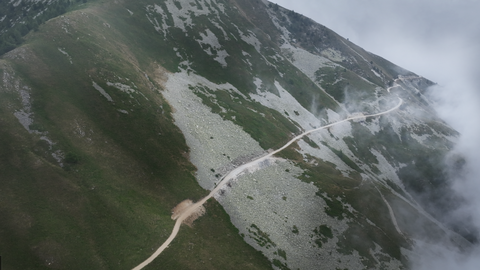
The Fern Pass is a relatively low alpine pass (1,216 metres), but it is an extremely popular transit route connecting the north with the south. This winding road is single-lane, and due to its narrow fit, there are few opportunities to overtake. However, a major advantage of the route is that lorries over 7.5 tonnes are now prohibited from using it, which significantly improves traffic flow. In addition, the Fern Pass offers a worthwhile alternative to the more expensive Brenner or San Bernardino routes, especially if you are continuing over the Reschen Pass and heading towards South Tyrol or Merano. This not only saves time, but also significantly reduces toll charges.
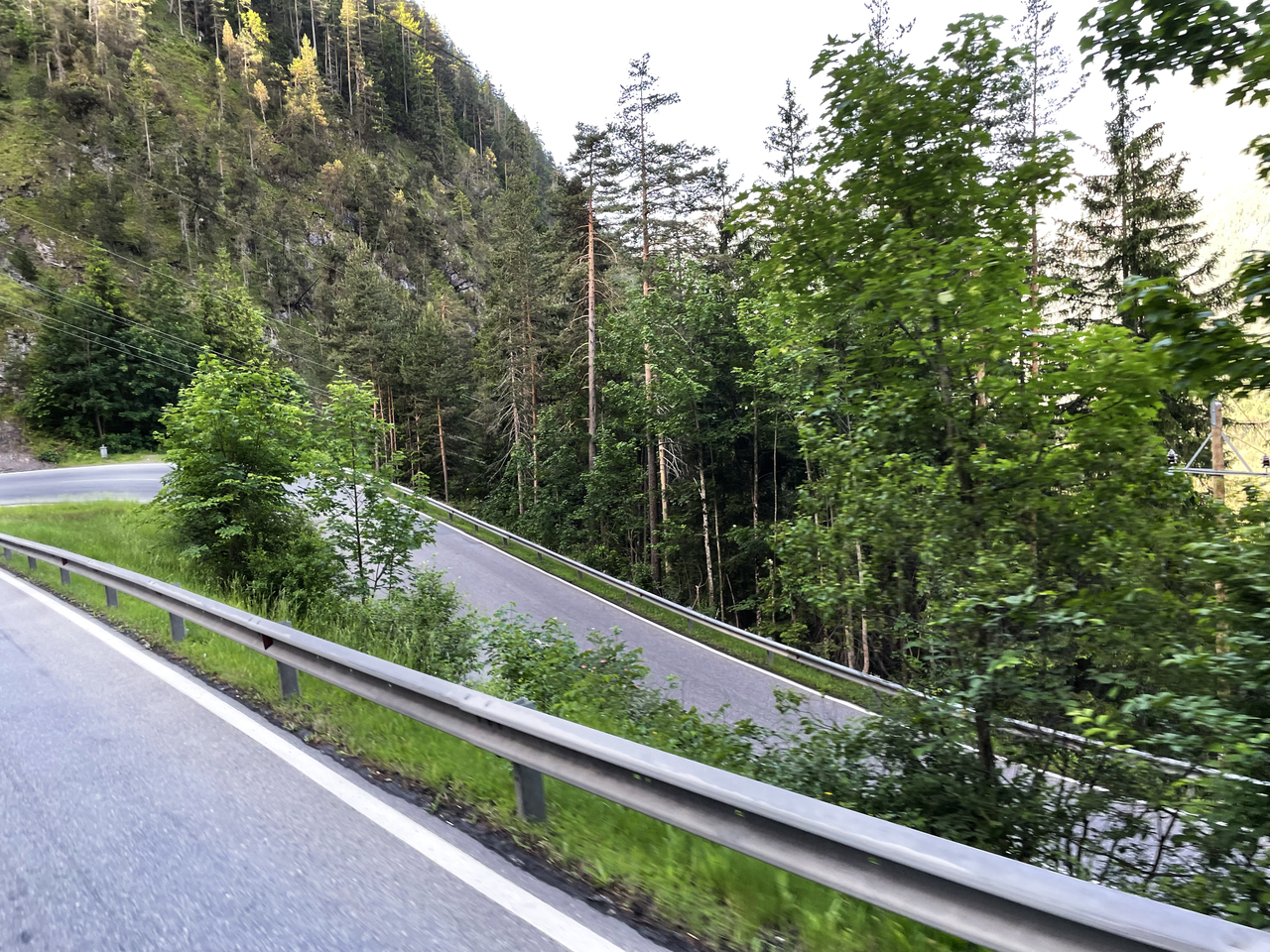
Places of interest along the Fern Pass
The Fern Pass route offers several picturesque stops that are particularly worth a short break.
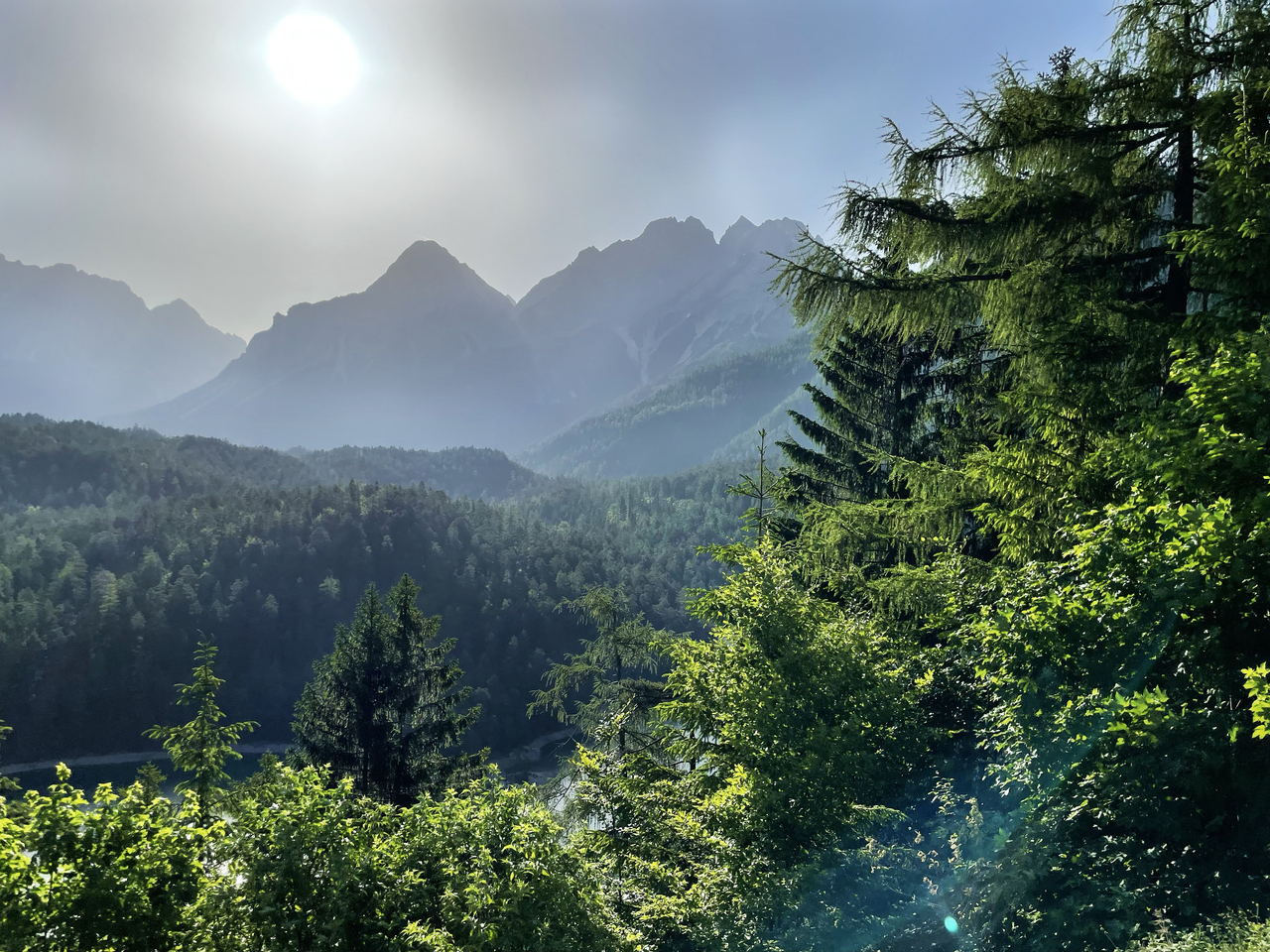
On the northern side of the pass, there is a car park with a restaurant that offers a magnificent view of the surrounding Alps. On a clear day, you can see the Zugspitze, Germany's highest peak, from here. It is the perfect place to relax and enjoy the breathtaking mountain landscape.
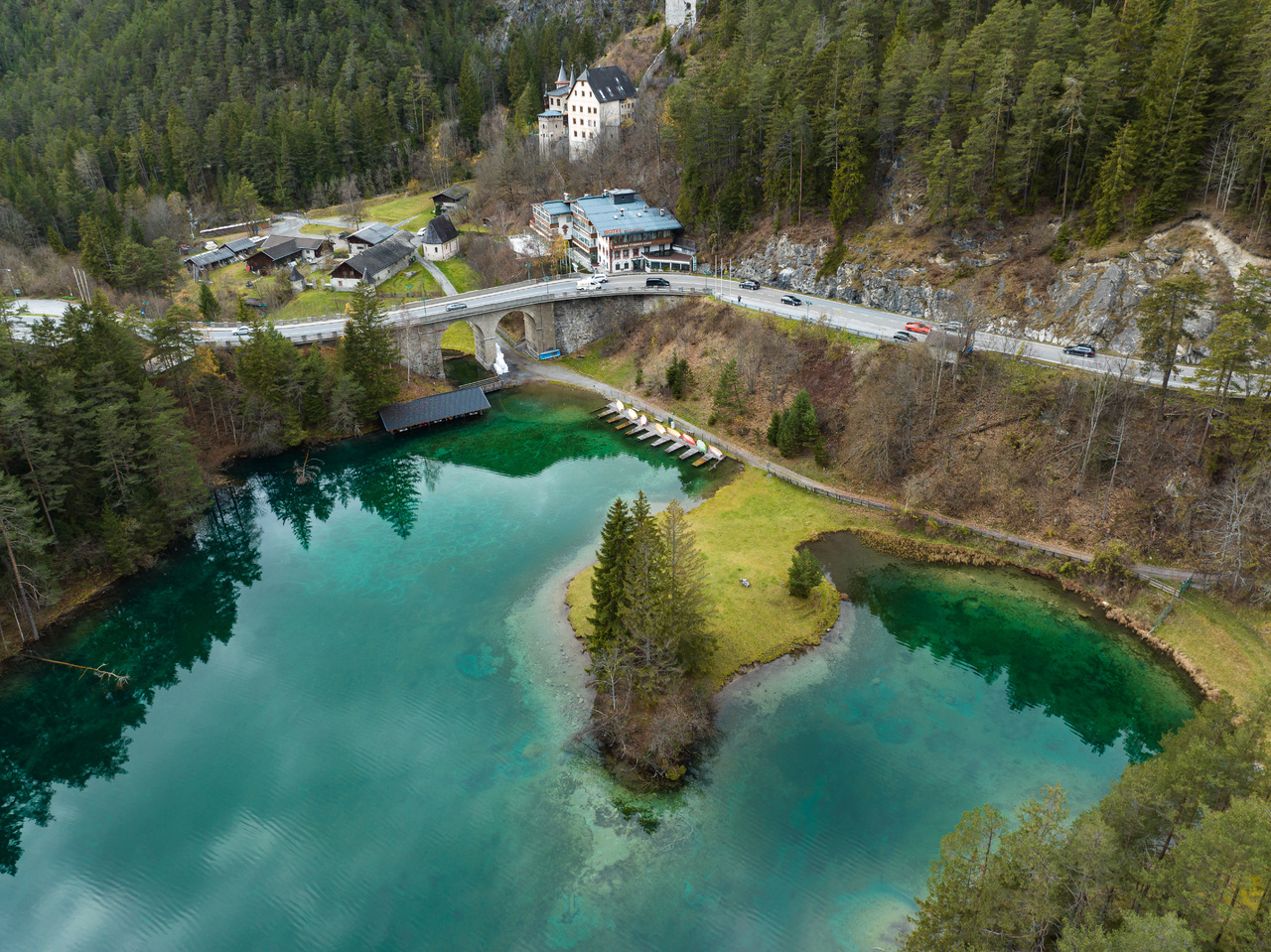
On the southern side of the Fern Pass, at an altitude of around 930 metres, is Fernsteinburg, a medieval fortress that offers an interesting historical backdrop. Directly below is Lake Fernstein, whose turquoise waters make for an impressive photo opportunity. This place is particularly popular for a short break or a walk where you can experience nature to the fullest.
Further transit options and routes
The Fern Pass itself leads to the Bavarian town of Garmisch-Partenkirchen in the northern part and continues towards Munich. On the southern side, the route leads to the Bregenz-Innsbruck motorway, from where you can either continue towards the Reschen Pass and enter the South Tyrolean valley of Merano or alternatively branch off into the Inn Valley. Those who wish to continue their journey to Switzerland can drive through the Upper Engadine, past St. Moritz, and then over the Maloja Pass to Italy, for example to Lake Como, and finally on to Milan. Although these routes take a certain amount of time, they offer an incredible variety of landscapes and sights that make the journey an unforgettable experience.
Those who choose this option should take time to explore South Tyrol and Switzerland, as both regions have numerous points of interest (POIs) that are worth stopping at. This makes the journey not just a classic transit, but a real adventure.
A particularly recommended TV programme for anyone who wants to learn more about the Alpine region is the report ‘Alpen-Marathon – Visiting the Upper Engadin and St. Moritz’. This programme provides exciting insights into the culture and nature of the Upper Engadin and allows viewers to immerse themselves in the impressive Alpine world.
Practical tips for route planning
For detailed planning of your trip through the Alps, we recommend the interactive Alpine Pass Atlas, which lists over 450 alpine passes. This atlas not only contains detailed route data, but also a wealth of information on POIs, hotels and sights along the route. With the ability to plan, share and download routes, as well as the provision of images, videos and further descriptions of alpine passes, planning a trip through the Alps is a breeze.
All in all, one could say that a trip over the Fern Pass is more than just a transit – it is the beginning of a fascinating journey of discovery through the Alps.
Matching: Alpine passes
 Subscribe to Newsletter